Where to Play the Official Version — and How to Check It
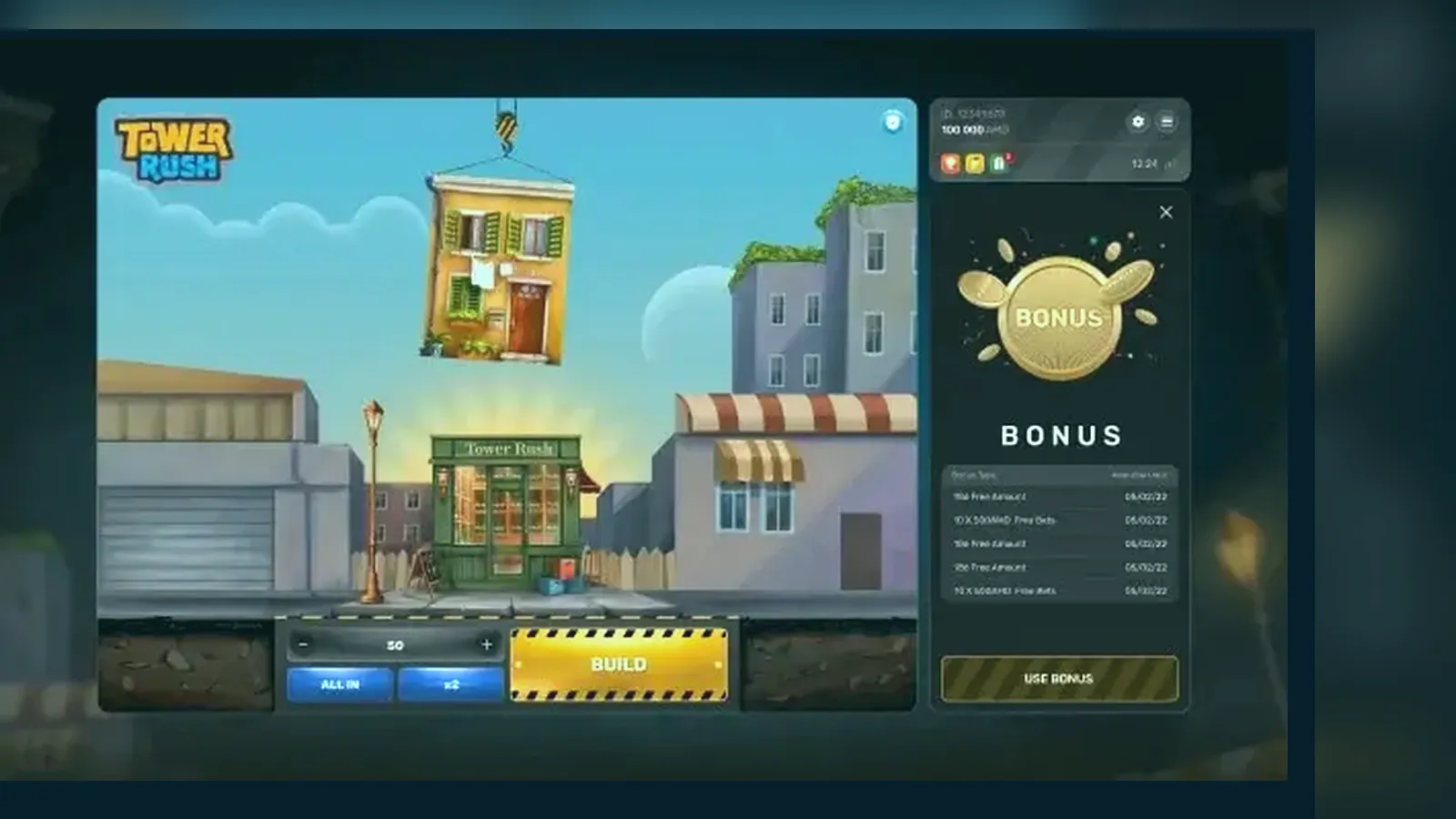
Is Tower Rush real or fake? That's the top question when you're staring at a site you've never heard of, wondering whether your deposit will land in the right hands.
Here's the short answer: Tower Rush is a real crash game built by a legitimate provider, but there is no single «official site» for it — the game runs on dozens of licensed casino platforms across the UK. What makes a version official is the combination of the correct game build, a valid UKGC remote licence, and an operator listed in the Commission's public register. Everything else is noise.
What «Official» Actually Means
Official status breaks into three layers. First, the game itself: Tower Rush comes from a studio that supplies the maths, the RNG, and the interface to operators. You're playing the same core build whether you're on Operator A or Operator B — same multiplier curve, same 97% RTP, same session state that survives a browser refresh.
Second, the operator: any site serving British players needs a UKGC remote licence. That licence number sits in the footer, usually next to a GAMSTOP badge and a BeGambleAware link. If you can't find it, walk away.
Third, the integration: a licensed operator pulls the game from the provider's server, wraps it in their own wallet and compliance layer, and enforces local rules — £5 stake cap per spin for players 25 and over, £2 for 18–24s, affordability checks from £150 net deposits a month. The game doesn't know about those rules; the platform does.
Licence Verification in Three Steps
You don't need a law degree to check whether a site is legit. Open the site in question, scroll to the footer, and follow this sequence:
- Find the UKGC licence number. It's a six-digit code, sometimes hyphenated (e.g. 123456 or 12-3456). If there's no number, or it says «Curaçao» or «Malta», stop — that operator isn't licensed to serve UK customers.
- Go to the UKGC public register at gamblingcommission.gov.uk, enter the licence number, and hit search. The result will show the operator's legal name, the licence type (you want «remote»), and the status (must be «active»).
- Match the legal name in the register to the company name in the site's footer terms or about page. They should be identical. If the site says «Brand X» but the licence is held by «Unrelated Ltd», that's a red flag.
This takes 90 seconds. Do it once before you deposit, and you've covered the biggest risk — handing money to an unlicensed offshore operation that has no obligation to pay you out.
What Happens When You Open an Account
UK operators run age and identity checks before they let you deposit. You'll register with an email, date of birth, and postcode; the site cross-checks your details against credit-reference databases in real time. If the check passes, you're in. If it fails, you'll be asked to upload a photo ID — passport or driving licence — before you can add funds.
The account is yours, but it's locked to your name. Credit cards have been banned for gambling since 2020, so you'll fund it with a debit card, PayPal, Apple Pay, or Open Banking. The payment method must be in your own name; if it isn't, the deposit will bounce or your account will be frozen.
When you request your first withdrawal, the operator runs a full KYC check: proof of identity, proof of address (a bank statement or utility bill dated within the last three months), and sometimes proof of payment method. That review takes 24 to 48 hours, and it's the reason your first cashout is slower than the rest. After that, e-wallets clear in a few hours, Faster Payments in a day or two, debit cards in one to three working days.
The Official App Question
There is no standalone Tower Rush app, and that's by design. Crash games are light — a multiplier ticker and a cashout button — so they run perfectly well in a mobile browser. Some casino operators package their entire platform as a web app (add to home screen, offline shell, push notifications), and Tower Rush will load inside that wrapper. But the game itself doesn't ship as a separate download.
If you see a Tower Rush APK advertised on a forum or a Telegram channel, treat it as hostile. Best case, it's a clone with rigged RNG. Worst case, it's malware. Google Play and the App Store both allow UK real-money gambling apps from licensed operators, but those apps are casino platforms, not single-game clients.
When Something Goes Wrong
Official status doesn't mean flawless. Software glitches, payment delays, and disputed bets happen on licensed sites too. The difference is that you have a complaint path.
Start with the operator's support team: live chat or email, whichever gets a human response faster. If they resolve it, you're done. If they stonewall or refuse to escalate, file a formal complaint through their internal complaints procedure — every UKGC licensee is required to publish one. You'll get a response within eight weeks.
If you're still not satisfied, you can take the case to an alternative dispute resolution (ADR) service. The operator's terms will name the ADR provider they're signed up with — usually IBAS or eCOGRA. The ADR ruling is binding on the operator but not on you, so you're not locked out of legal action if the outcome is unacceptable.
As a last resort, you can report the operator to the UKGC. The Commission doesn't adjudicate individual disputes, but a pattern of complaints can trigger an investigation or a licence review. You'll find the contact form on their site.
Red Flags of Clones and Fakes
Clones exist because Tower Rush is popular and the mechanics are simple to copy. A fake version looks like the real thing — same launch animation, same multiplier font, same cashout button — but the RNG is whatever the cloner decides it is. You're not playing a fair game; you're feeding a black box.
- No UKGC licence number in the footer, or a licence from Curaçao, Malta, or another jurisdiction that doesn't enforce UK consumer law.
- The site offers a «Tower Rush download» or APK. The real game runs in the browser; there is no native app.
- The operator doesn't appear in the UKGC register, or the legal name doesn't match the brand.
- The site accepts credit cards for deposits. That's been illegal in the UK since 2020.
- The cashout speed is «instant» with no KYC. Licensed operators are required to verify identity and source of funds; if they don't, they're not licensed.
- The multiplier behaves oddly — it crashes at 1.00× more often than it should, or the session history shows suspiciously round numbers. That's a rigged RNG.
If you're on a site that ticks any of these boxes, close the tab and move on. Official doesn't mean perfect, but unofficial means you have no recourse when things go sideways.
What Official Status Doesn't Guarantee
Playing on a licensed site with the correct game build doesn't mean you're safe from loss. The house edge is real — 3% on a 97% RTP game — and volatility means you'll hit losing streaks that feel personal but are just maths. A UKGC licence guarantees that the game is fair, not that you'll win.
Bonuses always carry a wagering requirement, usually 30× to 50× the bonus amount. That means a £10 bonus needs £300 to £500 of turnover before you can withdraw. If the terms say «crash games contribute 10%», you're really looking at £3,000 to £5,000 of play. Read the terms before you claim; the flashy offer on the homepage is usually the worst deal.
Affordability checks are mandatory from £150 net deposits a month, using credit-reference data at the first stage. If you trigger a review, the operator will ask for proof of income — payslips, bank statements, tax returns. If you can't provide it, they'll cap your deposits or close your account. This isn't negotiable; it's a licence condition.
Your winnings are tax-free — that's one of the few upsides of the UK system — but operators pay Remote Gaming Duty at 40% as of April 2026. That cost is baked into the game design, not passed to you as a line item, but it's why British RTPs are often a point or two lower than the same game in other markets.
FAQ
Can I play Tower Rush in demo mode without an account?
Demo play exists on many UKGC sites, but most operators show free play only to logged-in, age-verified accounts. You won't need to deposit, but you will need to register and pass the initial age check before the demo unlocks. A handful of sites still offer guest demo, but that's becoming rarer.
Why is my first withdrawal taking so long?
The first cashout is always the slowest because the operator runs a full KYC check: proof of identity, proof of address, and sometimes proof of payment method. That review takes 24 to 48 hours, occasionally longer if you're asked to resubmit a document. After the first withdrawal clears, subsequent ones are faster — e-wallets in a few hours, Faster Payments in a day or two.
What happens if I'm registered with GAMSTOP and I try to play?
Every UKGC-licensed site checks your details against the GAMSTOP register when you sign up. If there's a match, the site will block your registration immediately and point you to support resources. The block covers all licensed operators for the duration you chose — six months, one year, or five years. There's no workaround, and that's the point.