Is It the Original or a Clone? The UKGC Register Check
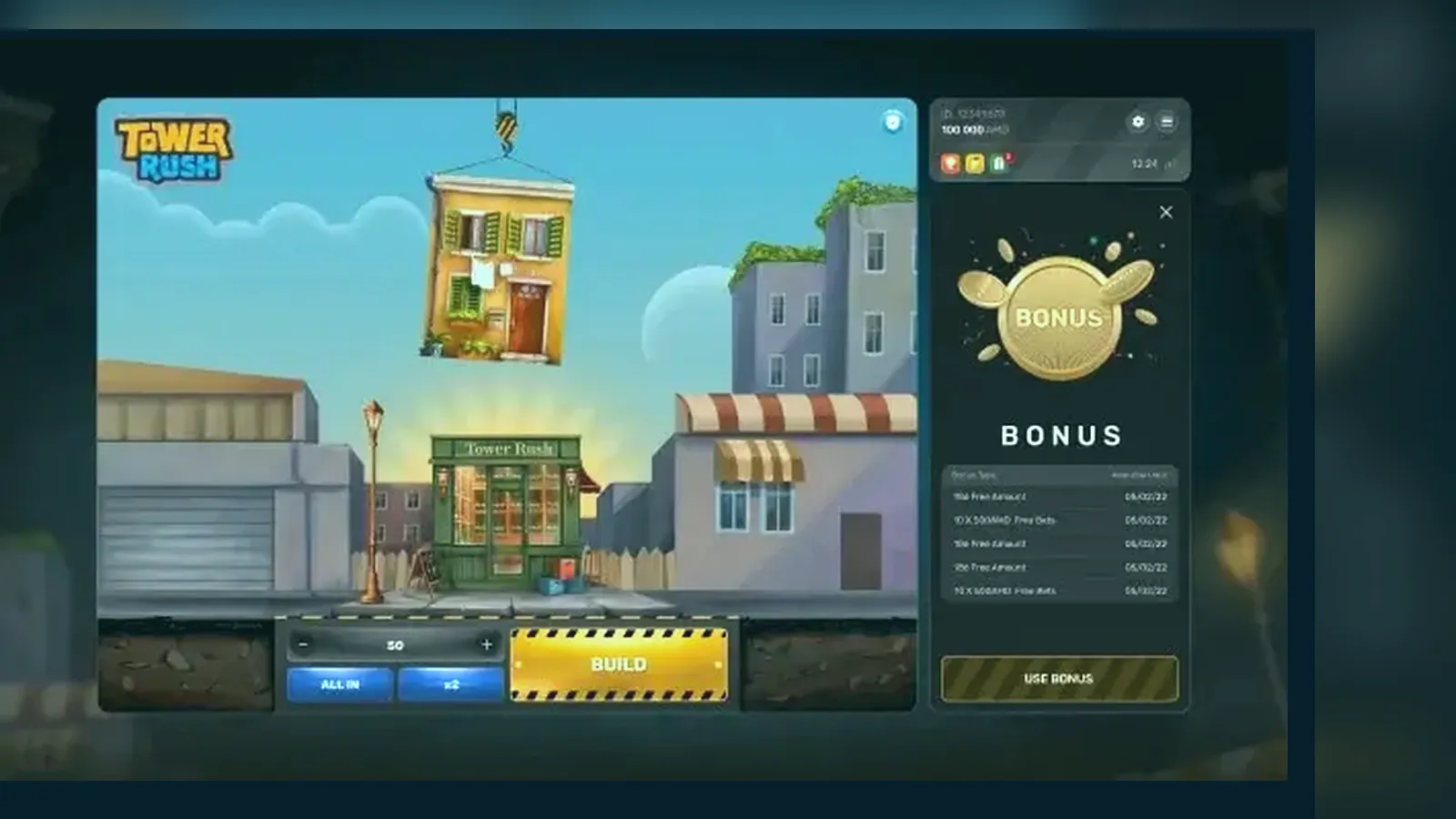
Here's what changes everything for players in the UK: if the site isn't in the UKGC public register, it can't legally serve you. That one rule filters out most clone sites before you even look at the game. The original Tower Rush runs on licensed operators, with a visible licence number in the footer and a £5 stake cap per round — or £2 if you're 18–24. Clones often skip those limits because they're not under UKGC supervision.
This page unpacks the original build: who made it, how certification works, what the tech sheet actually says, and how to tell clones apart in ten seconds. No myths, no marketing — just the facts you can verify yourself.
Who Made the Original and How Is It Certified?
The original Tower Rush was developed by a provider whose builds are tested by accredited labs — usually eCOGRA, iTech Labs, or GLI — before they reach UKGC-licensed sites. The lab checks the RNG, the stated RTP, and that the game behaves as the maths model claims. Once certified, the build gets a unique identifier, and that version is what you see on licensed operators.
In the UK, the operator holding the remote licence is responsible for the games it offers. You won't find a separate certificate pinned to the game itself, but you can verify the operator's UKGC licence number in the footer and cross-check it in the public register. If the site isn't listed, it's unlicensed — and any version of Tower Rush on it, original or not, is outside legal bounds here.
How a Round Actually Works from the Player's Seat
You pick a stake — £0.10 to £5.00 on most UKGC sites, capped at £2.00 if you're 18–24. You press play, and the tower starts rising. Your multiplier climbs as it does. You can cash out at any moment, locking in that multiplier on your stake. Or you can wait, hoping the tower climbs higher. But the tower can collapse at any second, and when it does, the round ends and your stake is gone.
The collapse point is decided by the RNG before the tower starts moving — the animation is just a reveal. That's standard for crash-style games: the outcome exists the instant you press play, even though it unfolds over several seconds. Auto cash-out is available on the original: you set a target multiplier, and the game exits for you when it's hit. Useful if you're chasing a specific return and don't want to watch every pixel.
- Pick your stake within the site's limits.
- Press play; the RNG determines the collapse point immediately.
- The tower rises, multiplier climbing in real time.
- Cash out manually or let auto cash-out trigger at your preset.
- If the tower collapses before you exit, the stake is lost.
The Real Numbers from the Tech Sheet
The original's tech sheet lists a bet range, RTP, and max win cap. On UK sites, that bet range is adjusted to GBP and capped by UKGC rules. Here's what the certified build declares:
The max win is expressed as a multiplier cap, not a cash figure, because your payout depends on your stake. If the cap is 1,000× and you bet £1.00, the ceiling is £1,000. Bet £5.00, and it's £5,000 — but you won't see rounds that high often. High volatility means most collapses happen early, below 2×. The 96–97% RTP is a long-term average; on any given session, actual return can swing wildly.
The Mechanics One by One
The original Tower Rush is a single-mechanic game: climb and cash out. No bonus rounds, no multipliers stacking from side features, no free spins. What you see is what you get. Here's how each element works:
- RNG and Collapse: The RNG picks a collapse point from a weighted distribution. Low multipliers are far more common than high ones. The curve is steep — most rounds end before 2×, a few stretch to 10×, and anything above 50× is rare.
- Cash-Out Timing: You can cash out the instant the multiplier updates. The game client sends your request to the server, which confirms it against the pre-determined outcome. If the tower collapses between your click and server confirmation, you lose. Latency matters, especially on mobile networks.
- Auto Cash-Out: Set a target multiplier, and the system exits for you when it's reached. The target is checked server-side every tick, so it's more reliable than manual clicking. But if the tower collapses one tick before your target, you still lose the stake.
- Betting Limits: The original respects the operator's stake caps. On UKGC sites, that's £5.00 maximum per round, or £2.00 if you're 18–24. Clone versions often ignore those caps or run on unlicensed sites with no ceiling at all.
- Session History: The original logs every round — stake, multiplier, cash-out or collapse — and you can review it in the game client. Clones sometimes fake this feature or omit it entirely.
Which Clones Circulate and How They Differ
At least three clone families circulate under names like Tower Crash, Sky Rush, or Tower Up. They mimic the original's look but differ in maths, certification, and where they run. Here's how to spot the differences:
| Element | Original | Common Clones | |
|---|---|---|---|
| UKGC Licence | Runs on licensed sites only | Often on unlicensed or offshore platforms | → |
| Bet Caps | £5.00 / £2.00 by age | No cap, or much higher limits | → |
| RTP Disclosure | In game rules, certified by lab | Missing, vague, or unverified | → |
| RNG Cert | Lab-tested, audit trail available | No public certification | → |
| Max Win | Declared multiplier cap | Varies; some claim no cap at all | → |
| Session Log | Full history in client | Partial or absent | → |
Clones aren't always worse maths — some are honest builds by smaller providers — but they lack the audit trail and regulatory oversight of the original. The bigger risk is that clones often appear on sites that aren't UKGC-licensed, which means no GAMSTOP protection, no affordability checks, and no recourse if a payout is withheld. If you're playing from the UK, that's the line that matters more than the game's branding.
A Ten-Second Check That You're on the Original
Open the game, then do this:
- Scroll to the site's footer. Look for a UKGC licence number — format is usually 00000-000000.
- Go to the UKGC public register and search for that number. If it's not listed, the site is unlicensed.
- Check the bet limits in the game. If you can stake more than £5.00 per round, it's either a clone or an unlicensed version.
- Look for the game rules or info panel. The original declares RTP and max win clearly. Clones often skip or obscure this.
- If GAMSTOP is mentioned on the site and the licence checks out, you're on a legal operator running the original or a licensed alternative.
This takes less time than reading one bonus offer. The licence number is the single fact that filters out most risk. Everything else — RTP, stake caps, payout speed — sits downstream of that check. If the site isn't on the UKGC register, none of the other details matter, because you have no legal protection.
FAQ
Does the original Tower Rush have a mobile app?
The original runs in your browser on UKGC-licensed sites — mobile or desktop. Some operators offer a web app you can add to your home screen, but there's no standalone app in the Play Store or App Store for Tower Rush itself. If you see one, it's either a clone or a casino's app that includes the game.
Can I play the original for free to test it?
Most UKGC sites offer demo play, but you need to be logged in and age-verified to access it. The demo uses the same RNG and maths as the real-money version — only the stakes are virtual. If a site offers instant demo play with no login, it's either not the original or not a UK-licensed operator.
Is the RTP different on clones?
It can be. The original declares RTP in the game rules and that figure is certified. Clones may use a different maths model, higher or lower RTP, or not disclose it at all. Without a lab cert, you're trusting the clone provider's word. That's the risk.
Why do clones often have higher bet limits?
Because they run on sites that aren't under UKGC rules. The £5.00 and £2.00 stake caps are UK law, not the game provider's choice. Clones on unlicensed sites don't follow those caps, which is part of why they're illegal to market to British players.
If I win on a clone, can I withdraw the money?
If the site is unlicensed, you have no legal recourse if it refuses to pay. Some unlicensed operators are honest; others delay, demand endless documents, or vanish. On a UKGC-licensed site, you can escalate to the Commission or IBAS if a dispute isn't resolved. That protection doesn't exist with clones on offshore platforms.
How long does the first withdrawal take on the original?
Expect 24–48 hours for KYC checks before your first withdrawal is approved — that's standard across UKGC sites. After that, e-wallet payouts can land in a few hours; Faster Payments to your bank account usually take same day to two working days. The original doesn't change this; withdrawal speed depends on the operator's process and your chosen payment method.